TIE-M Plus 2026
Engineering competition entry covering design, analysis and technical presentation.
2nd Place
Engineering. Simulation. Electronics. Reliability.
Solder Soldiers is a multidisciplinary engineering team working on technical challenges, engineering competitions and real-world problems — from mechanical design and simulation to testing and reliability.
01 / 05
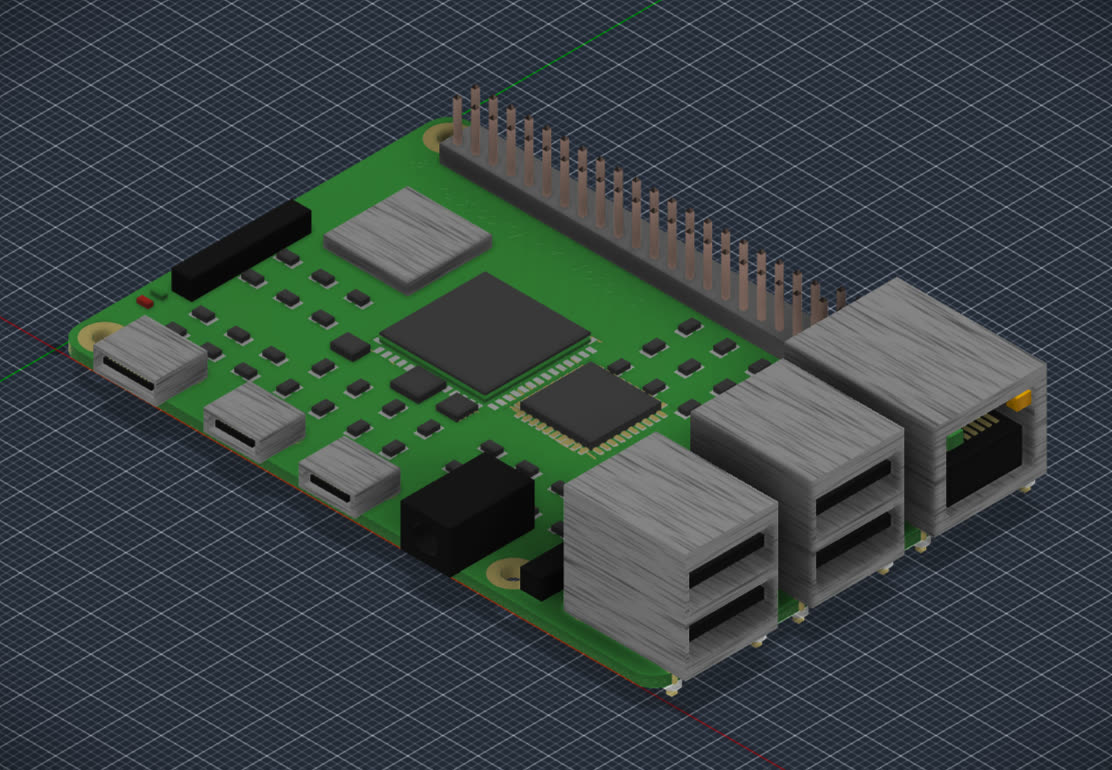
CAD, mechanical components and technical drawings.

02 / 05
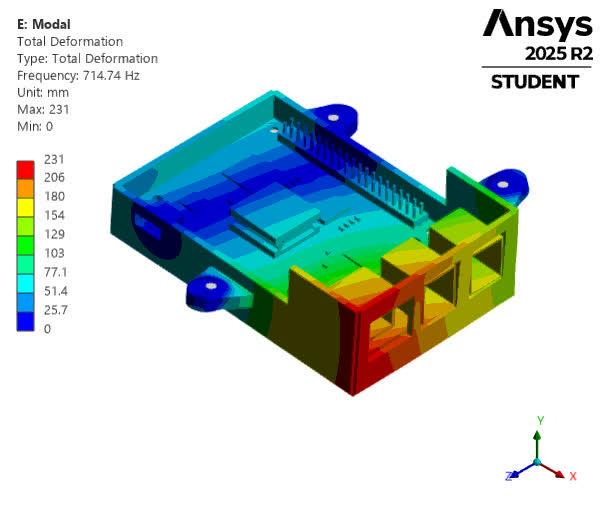
FEA, structural and thermal-mechanical analysis.

03 / 05
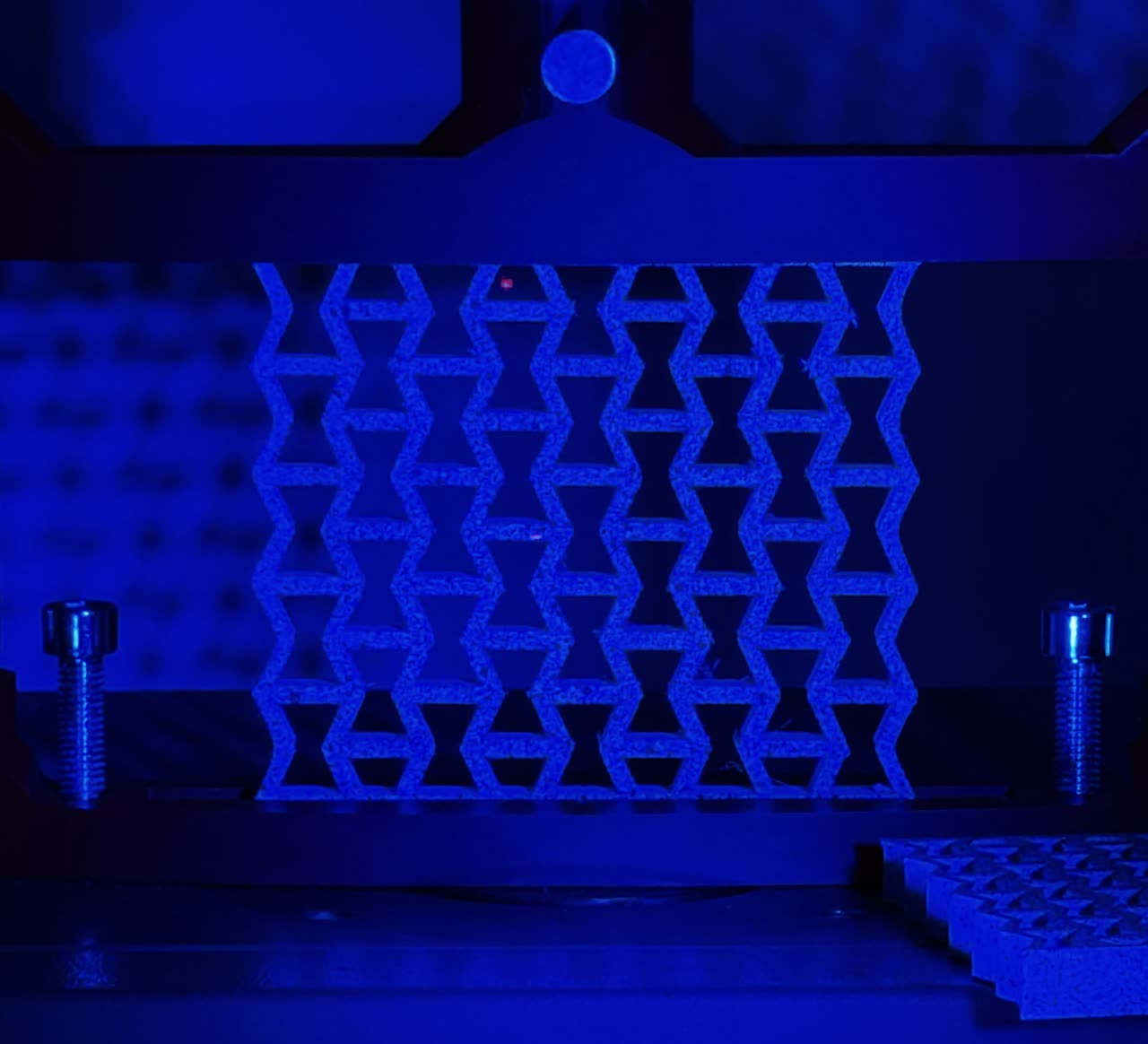
Prototypes and laboratory measurement.

04 / 05
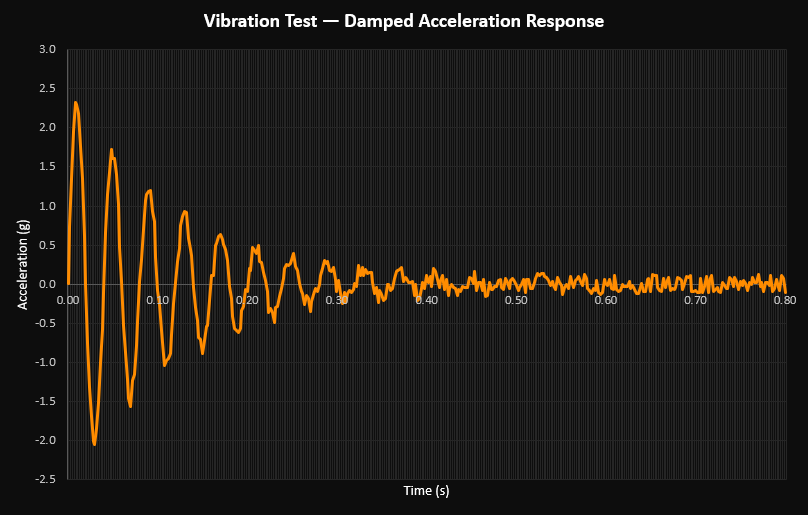
Correlation between prediction and measurement.

05 / 05
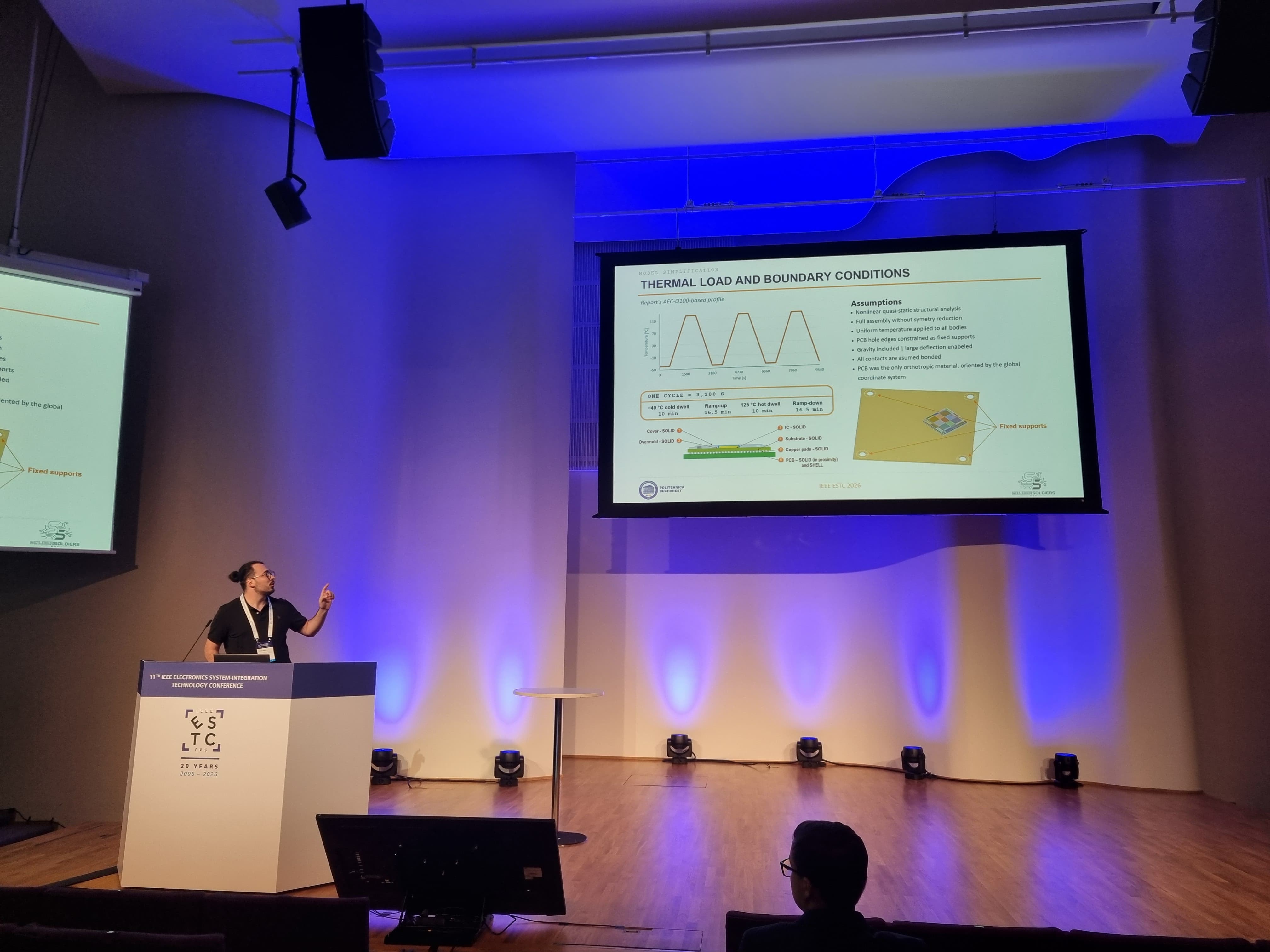
Competitions and technical conferences.

Engineering disciplines we work in. Skills are demonstrated through projects, not percentages.
Component and assembly design driven by function, loads and manufacturability.
Discretised numerical models used to predict stress, strain and deformation.
Load paths, stiffness and failure modes assessed analytically and numerically.
Lifetime and failure-mechanism assessment instead of single-point verification.
Coupled thermal and mechanical response under cycling and transient loads.
Parametric 3D models and drawings prepared to engineering documentation standards.
Physical hardware built to turn assumptions into measurable behaviour.
Measurements used to confirm — or correct — what the models predicted.
Literature-based investigation of methods, standards and material models.
Engineering work in progress and completed. Detailed case studies stay editable as new results arrive.
Engineering competition entry covering design, analysis and technical presentation.
2nd Place
Thermal-mechanical modelling of a solder interconnect to assess fatigue life and assembly reliability.
Finalist
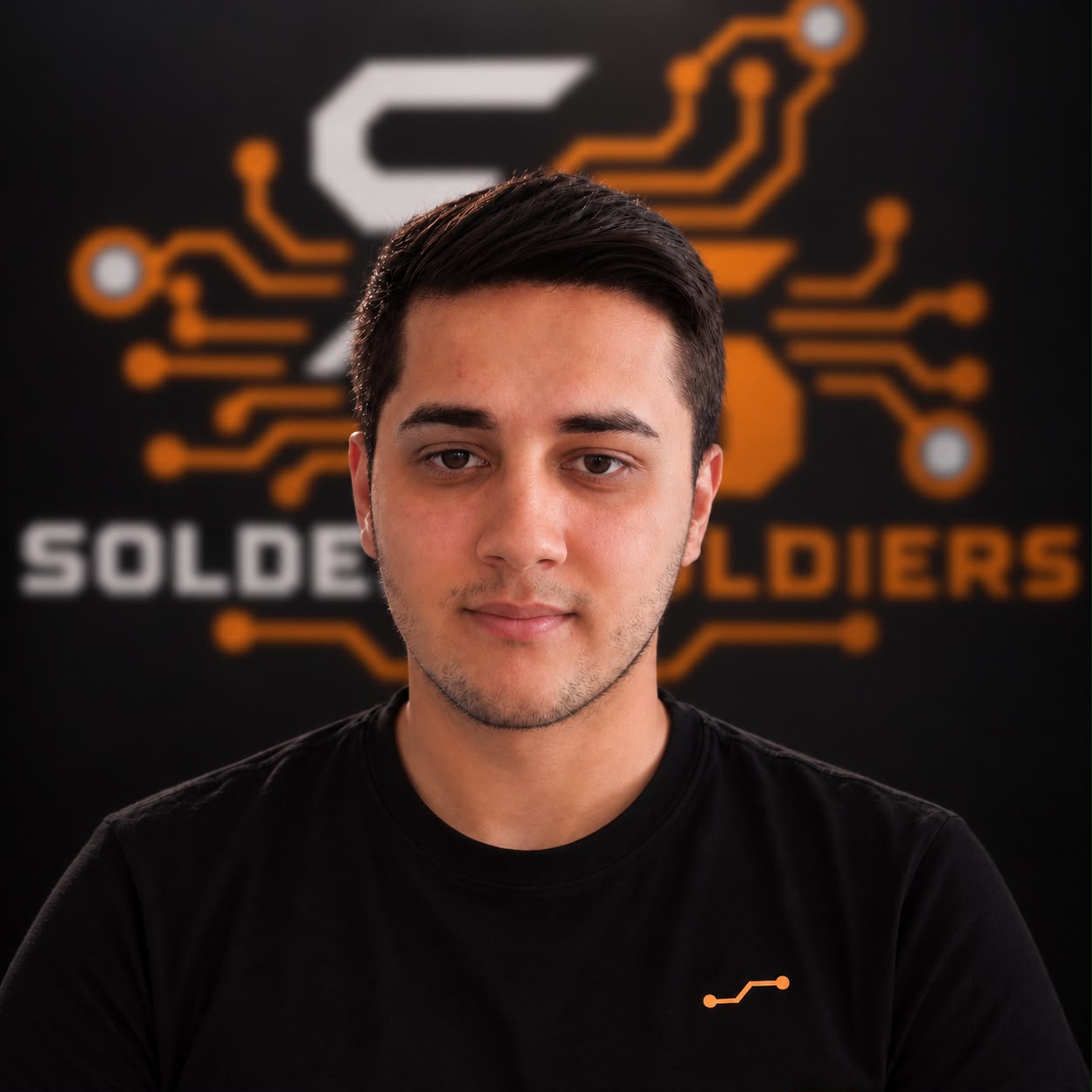
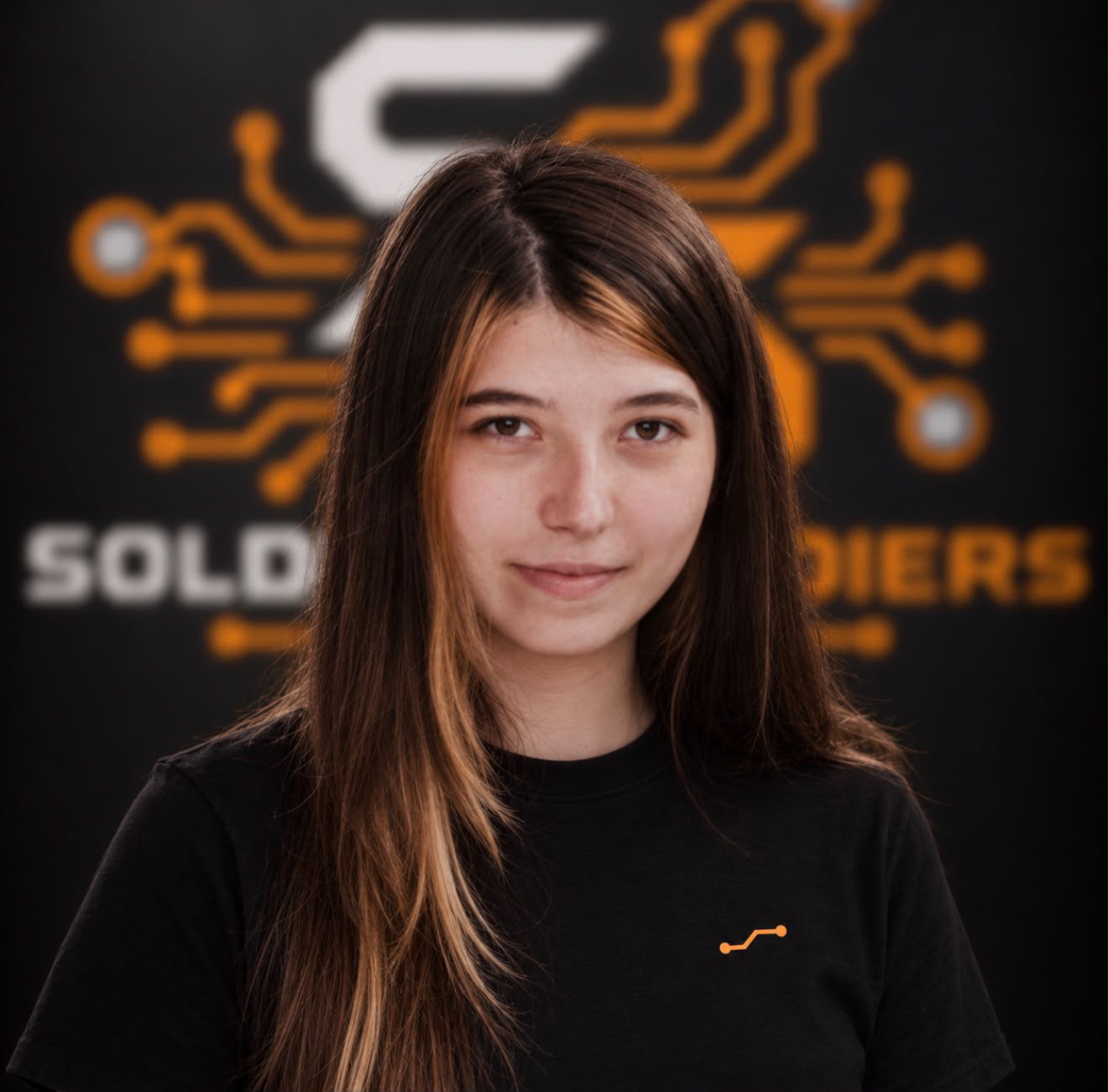
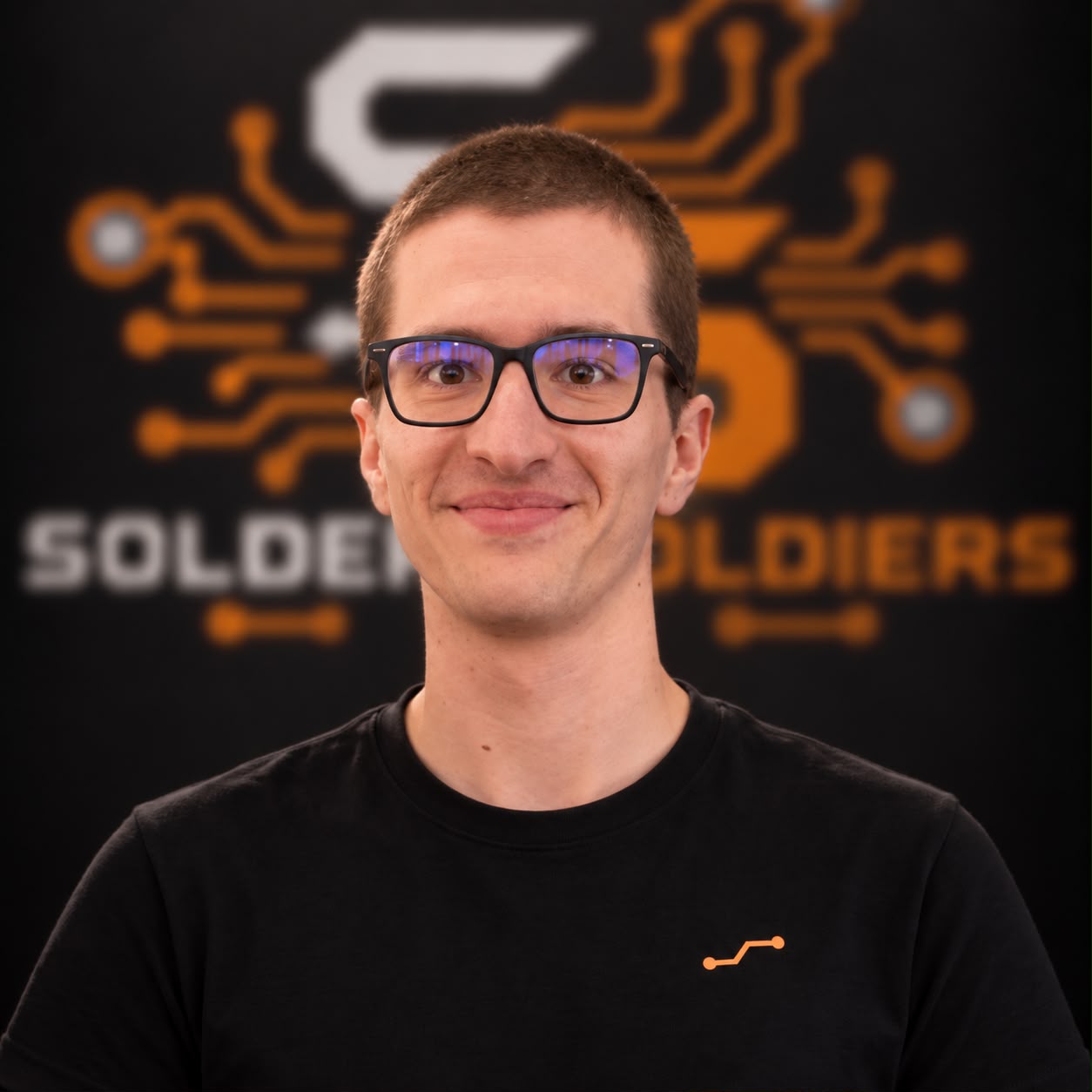
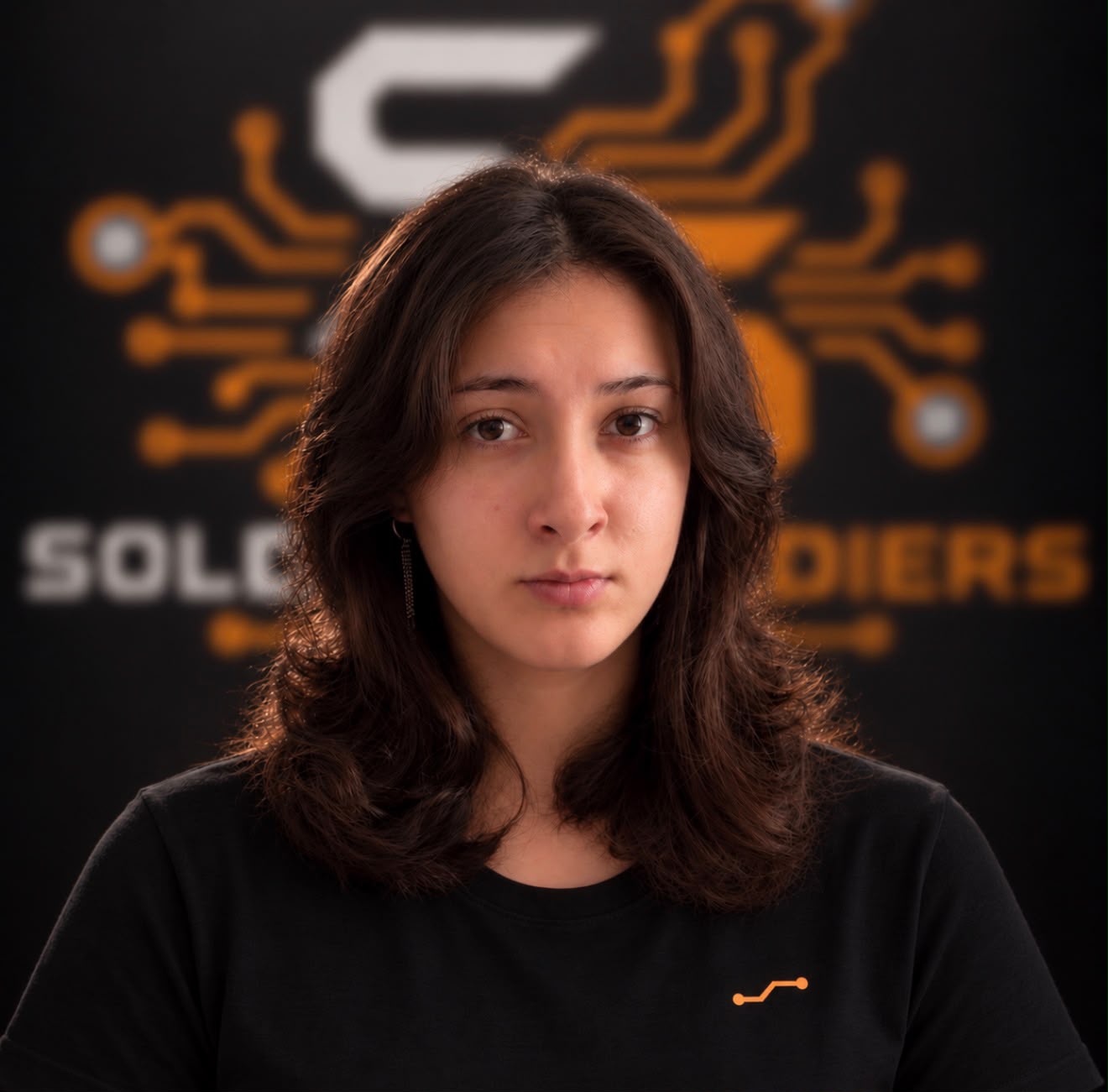
Solder Soldiers combines mechanical, structural, simulation, electronics and reliability engineering.
Mechanical & Simulation Engineer
Thermal-mechanical simulation, structural analysis and reliability
An engineering process, applied the same way whether the deliverable is a competition entry or a technical report.
Define the engineering question precisely before touching a tool.
Review standards, literature and prior art for the failure mechanism.
Build the geometry and concept that can actually be manufactured.
Model the physics, check convergence, question the result.
Produce hardware that represents the modelled configuration.
Measure real behaviour under representative loading.
Correlate measurement with prediction and quantify the gap.
Document the method, the limits and the conclusion.
Only confirmed competitions, results and milestones. Open outcomes are marked as such.
2nd Place
First competition entry — design, analysis and technical presentation.
Finalist
Interconnect reliability study — thermal-mechanical simulation and solder fatigue assessment, delivered by a three-member team.
Participation status to be confirmed. [Editable placeholder.]
Have an engineering challenge, a competition brief or a research question? We are open to talk.